I have quite a fair bit of my career watching people leave. Knowledge transfer, or the lack of it, is what I was witnessing every single time.
Of course it wasn’t in a dramatic way. Neither were there great fallouts nor blazing exits. Most of the time it was an announcement, a farewell lunch, and a month to hand things over. Sometimes a little more, sometimes less. By the time I had lived through my second acquisition — ESPN Star Sports becoming FOX, FOX becoming part of Disney — I had stopped counting the restructurings. The big ones had proper names and communications from leadership. The smaller ones just happened, and you noticed a few weeks later when a question came up in a meeting that only one person could have answered, and they were no longer there.
What left with them was never just their role. It was everything they had built up over years of doing the job. Judgement calls they had made and refined. Relationships they had steadily maintained. Context that existed only in their heads. None of that made it into a handover document. It rarely does.
I always assumed this was just an organisational reality, like an accepted cost of change. Turns out it is a much bigger problem than I realised, and Ford just proved it in the most expensive way possible.
When Ford Bet on AI and Lost the People First
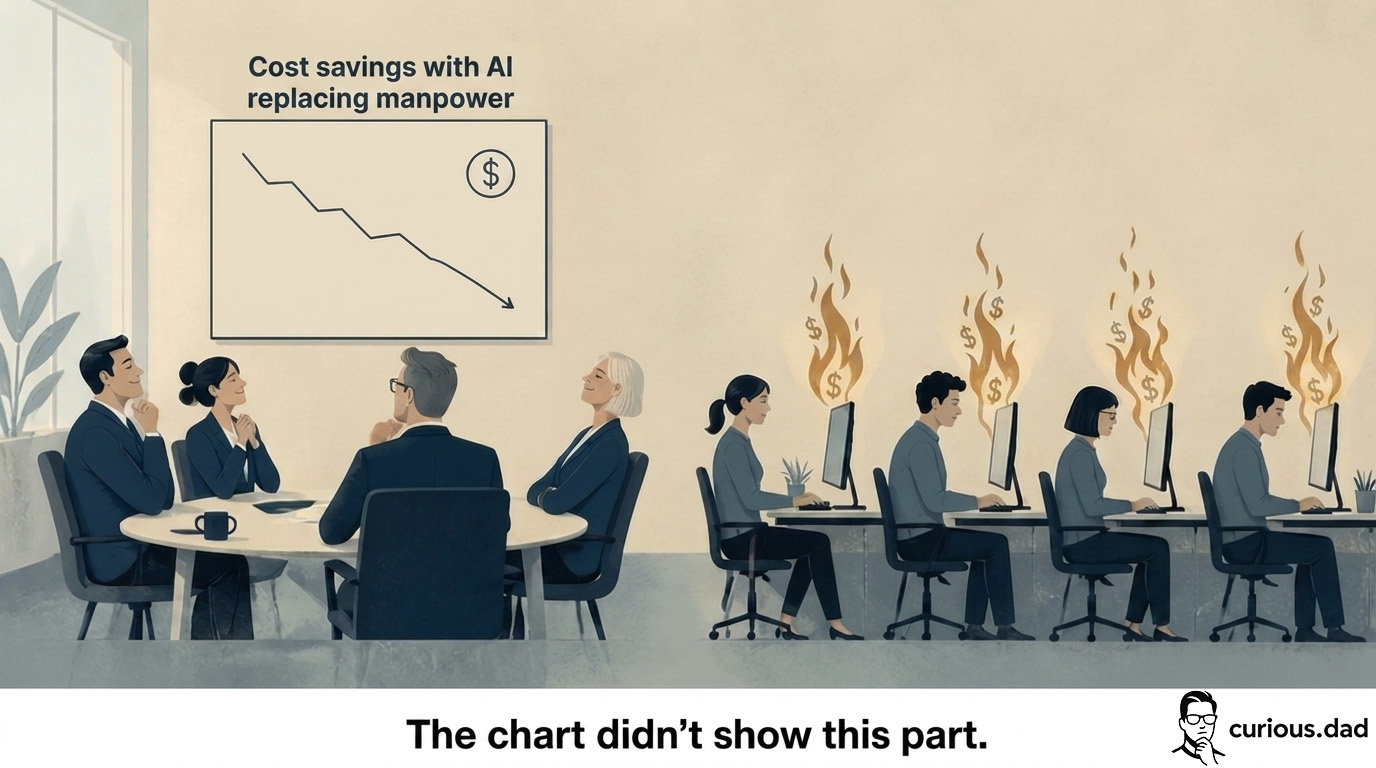
Ford spent years leaning into AI and automated systems to manage vehicle quality. It shed thousands of salaried positions as part of a broader restructuring, and it believed the technology would hold things together. Well, it didn’t. In fact, quality worsened, and warranty and recall costs climbed. The automated tools were producing results that experienced engineers would have caught immediately.
Ford’s VP of vehicle hardware engineering, Charles Poon, said it plainly in a recent press call. The company had mistakenly believed that introducing AI and feeding it existing design requirements would be enough to produce a high-quality product. It wasn’t the case, and neither was the AI broken. The problem was that the engineers who could have properly trained it had already left, most of them before their knowledge could be transferred in any meaningful way.
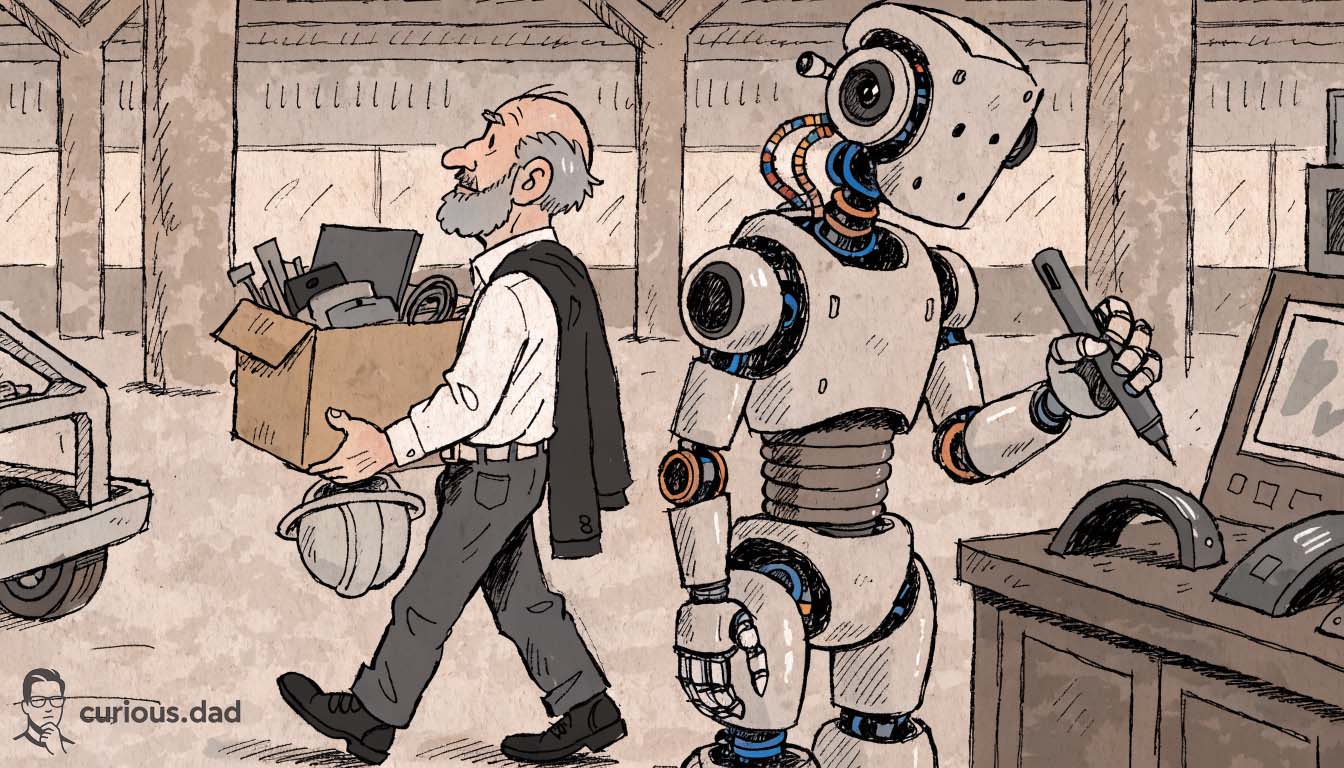
Ford spent three years and significant sums before it reversed course, eventually rehiring, promoting, or bringing back around 350 veteran engineers, many of them former employees and others pulled from suppliers. Those engineers are now doing what the AI could never do on its own, mentoring junior staff, rebuilding data pipelines, and training the systems that were originally meant to replace them. The result was Ford claiming the top spot in JD Power’s 2026 Initial Quality Study for the first time in sixteen years.
The technology was not the failure. The knowledge transfer was.
Restructuring Makes Knowledge Transfer Impossible
Organisations struggle with knowledge transfer all the time, even in good times. People move on, retire, get poached. The difference is that under normal circumstances there is usually some slack in the system. A new person joins with some overlap, someone else picks up a thread, the organisation adjusts.
When it comes to restructuring, it removes that slack entirely.
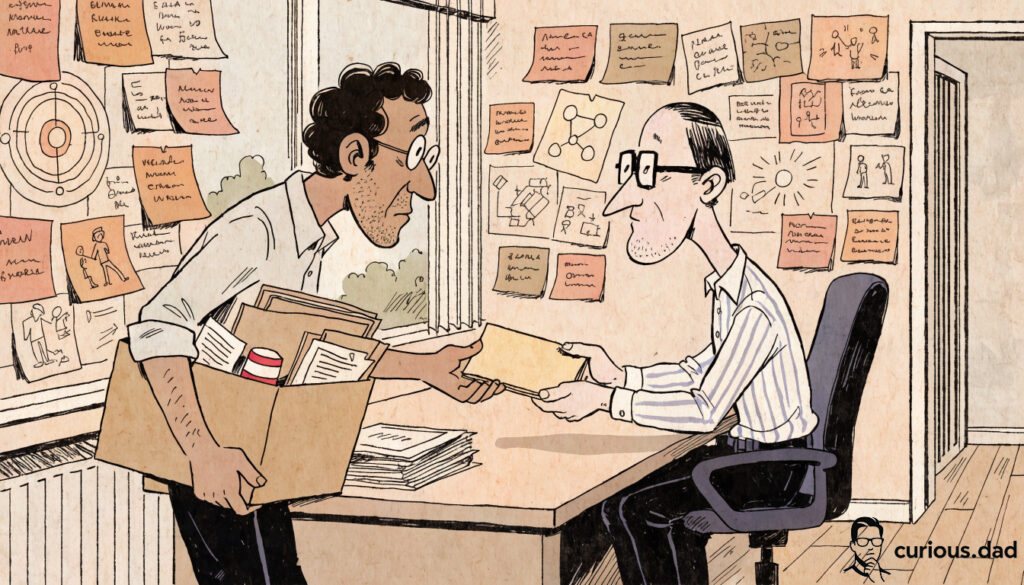
When a restructuring happens, people leave in batches, often with similar timelines. A month’s handover might sound reasonable until you realise that real knowledge transfer cannot happen in four weeks, that their successor may not yet be in place, and that the team absorbing their responsibilities is simultaneously adjusting to its own changed reality. The knowledge gap does not appear gradually. It appears all at once, and it is only really visible when something breaks.
I have seen this play out enough times to know the pattern. A campaign would stall because the person who managed the agency relationship for three years was gone, and no one had written down the unspoken rules of that partnership. A pitch would miss because the institutional understanding of a client’s real concerns had lived entirely in one person’s head. These were not catastrophic failures. They were cracks that only showed up later, when the team was already stretched and no one had the answer. Compensating, guessing, rediscovering things that were already known.
The survivors who made it through the restructuring were the ones left holding the brief. And they were working with less context, fewer senior colleagues to calibrate against, and the same or higher expectations.
Now Add AI Into That Gap
Here is where the Ford story becomes directly relevant to marketing teams right now.
AI tools are being deployed across marketing functions at significant speed. Content, campaign planning, audience analysis, creative iteration. The use cases are real and growing, and the underlying logic from organisations is often the same logic Ford used. Bring in the technology, reduce the headcount dependency, maintain the output.
But the tools are only as good as the knowledge transfer that happened before they were deployed. If the people with the deepest product knowledge, the sharpest brand instinct, and the most nuanced understanding of your audience have already left (or are being let go as part of a restructuring) then what exactly is the AI learning from? It is inheriting a thinner version of your organisation’s knowledge, filtered through people who are themselves still figuring things out.
The survivors are not just stretched. They are now expected to direct AI tools that were never properly grounded in the first place, while simultaneously trying to fill the gaps left by colleagues who understood things they do not yet understand themselves. Ford called this out directly. Without the right people training the tools, the outputs amplify weak inputs rather than catching the problems those inputs contain.
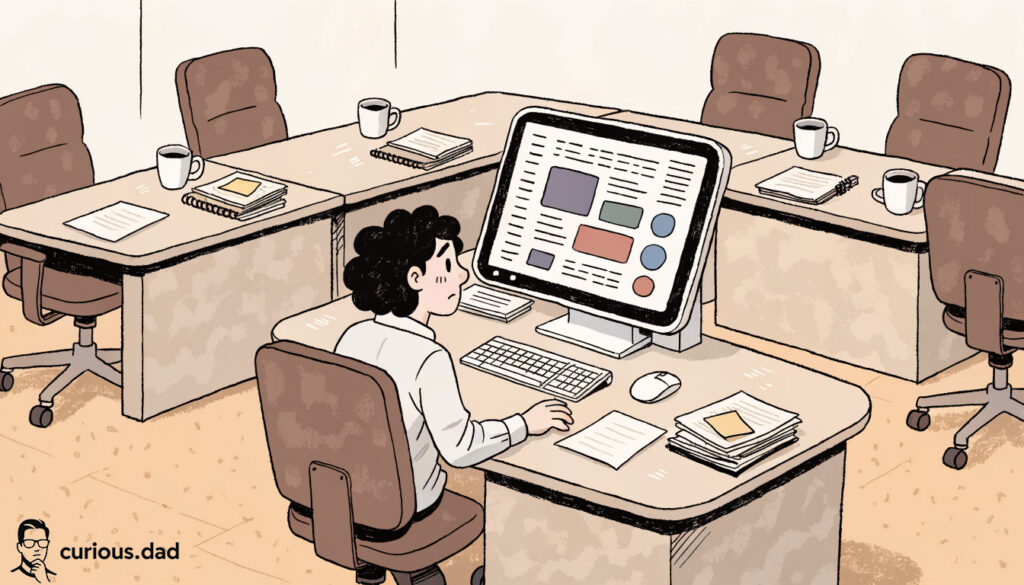
This is not just a manufacturing problem. As I explored in my piece on Samsung’s AI governance failures, the pattern of deploying AI without the right human structures in place shows up across industries.
What This Actually Means for Senior Marketers
If you are a senior marketer still inside an organisation, your institutional knowledge is more valuable right now than it has ever been. Not because AI cannot do parts of your job, I mean it can and it will, but because the effectiveness of every AI tool your organisation deploys depends on how well it is anchored to real expertise.
That means documenting things you have never thought to document because they felt obvious. It means making yourself useful in how those tools are trained, not just in what they produce. And it means being the person who can tell the difference between a campaign insight and a confident-sounding output that has no real grounding in your audience.
Ford’s lesson is not that their AI failed them. It is that AI without knowledge transfer fails, and that the organisations recovering fastest are the ones investing in the human layer that should have been there from the start.
The good news is that layer does not have to leave before you realise how much it was holding up.
Have you seen knowledge gaps show up in your organisation after a restructuring or an AI deployment? I would be interested to hear what it actually looked like from where you were sitting.