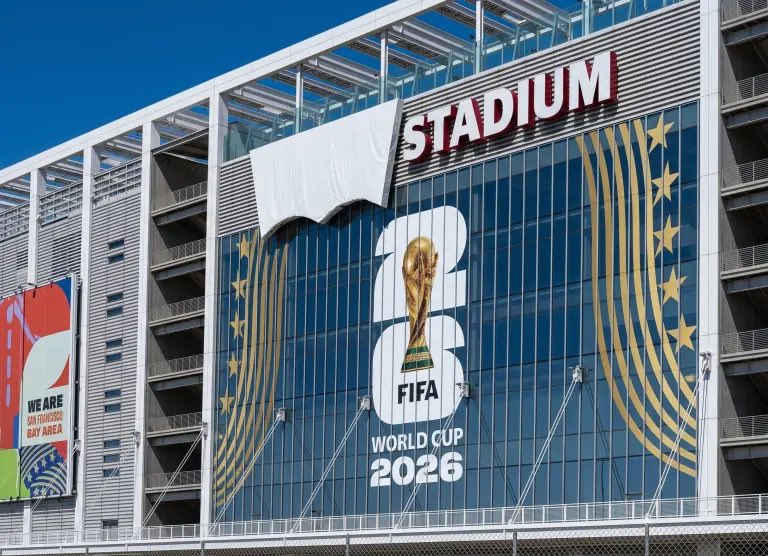
There is a peculiar irony that unfolded at Levi’s Stadium in Santa Clara, California, just days ago. FIFA, in enforcing its strict “clean stadium” policy for the 2026 World Cup, required all non-sponsor branding to be covered or removed from every host venue. That meant the iconic red batwing logo of Levi’s, the stadium’s naming rights partner since 2014, had to be wrapped in white tarps. The stadium was officially renamed “San Francisco Bay Area Stadium” for the duration of the tournament.
And yet, the moment those tarps went up, the internet erupted.
People all over the world immediately recognised the outline of the batwing, even under wrapping. The silhouette alone, stripped of colour, name, and context, told the whole story. Levi’s did not need to lift a finger. The coverage did it for them.
This moment is worth unpacking, not just as a feel-good marketing story, but as a genuine masterclass in two of the most powerful forces in modern marketing: brand equity and earned media.
What Is Brand Equity, and Why Does It Matter?
Brand equity, at its core, is the value a brand holds in the minds of consumers. It is not the logo itself, or the name, or the colour. It is the emotional and psychological weight those elements carry after years of consistent experience, storytelling, and trust-building. Philip Kotler and Gary Armstrong in their book Principals of Marketing define it as “the differential effect that knowing the brand name has on a customer’s emotions, attitudes, and behaviours.”
In simpler terms, brand equity answers this question – does knowing the brand name change how someone feels, thinks, or acts? For Levi’s, the answer that day in Santa Clara was a resounding yes, even when the name was nowhere to be seen.
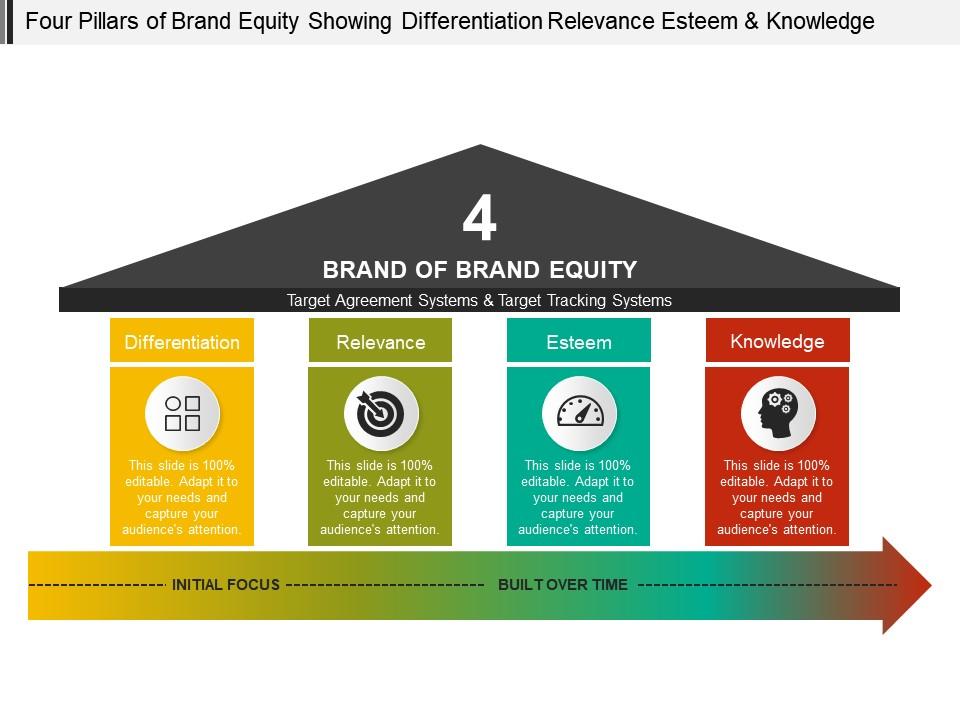
Strong brand equity typically sits on four pillars.
- Differentiation, which is how distinct the brand feels compared to others.
- Relevance, which is how meaningful it is to the consumer’s life.
- Knowledge, which is how well consumers understand what the brand stands for.
- And esteem, which is how much respect and admiration the brand commands. Levi’s, built over more than 170 years, scores deeply on all four. That is precisely why a white tarp could not hide it.
This is also what separates genuine brand equity from mere brand recognition. Recognition is surface-level. You see a logo and you know the name. Equity goes deeper. It means the brand has built something in the consumer’s mind that transcends any single visual. Apple, Nike, my work alma mater Disney, and Levi’s all sit in this rare category where their identity is so embedded in culture that it survives, and sometimes even thrives, when stripped of its usual markers.
Levi’s, to their credit, capitalised on the moment beautifully. When the stadium hosted its first World Cup match, they posted a video of the covered logo on Instagram with a caption that read: “Welcoming the world to the beautiful [redacted] stadium.” It was self-aware, it was cheeky, and it worked precisely because the brand had earned the right to be that confident. That kind of wit only lands when the audience already knows and loves you.
The Power of Earned and Shared Media
The second force at play here is earned media, and this one is equally fascinating.
Earned media refers to coverage, mentions, shares, and conversations that a brand receives organically, without paying for placement. It is the opposite of paid advertising. You do not buy it. You earn it, through doing or being something worth talking about.
In this case, Levi’s did not engineer the moment. A regulatory requirement forced them to disappear from their own stadium. And yet, images of the covered logo spread rapidly across social platforms, picked up by marketing blogs, news outlets, and commentators worldwide. Sites like Storyboard18 and WERSM covered it as a branding case study within days of the first match.
This is the essence of earned media working at its finest. The content did not come from Levi’s marketing department. It came from the public’s genuine reaction to something they found fascinating. And because it felt authentic rather than manufactured, it carried far more credibility than any paid campaign could.
Shared media, the natural extension of earned, amplified this further. When people shared the images and commentary on their own feeds, they were lending their personal credibility to the story. Every share was effectively an endorsement. This is why earned and shared media, when they align, can achieve a reach and resonance that even the most generous media budget struggles to replicate.
KQED reported that Jeroen van den Berk from FIFA’s communications team explained the clean stadium policy by saying the organisation needed to “protect the commercial rights of FIFA sponsors and partners.” What FIFA did not anticipate, and what no policy document can fully account for, is that when you try to erase a brand with genuine equity, you often end up amplifying it instead.
What Marketers Can Take Away
The Levi’s moment at the 2026 World Cup is not just a good story. It is a reminder of several things that I think about often in my own work.
First, brand equity is a long game. You do not build it in a quarter or a campaign. Levi’s has been consistent in its values, its aesthetic, and its positioning for generations. That consistency is what made the batwing recognisable under a tarp. There are no shortcuts here.
Second, earned media cannot be fully engineered, but it can be cultivated. Brands that are genuinely interesting, genuinely useful, or genuinely worth admiring tend to attract coverage and conversation organically. The best thing you can do is build something worthy of attention and then respond with enough self-awareness to make the most of the moment when it arrives. Levi’s Instagram response was not an accident. It was a brand that knew exactly who it was.
Third, and perhaps most importantly, your identity should be able to survive without its packaging. If your brand only exists when the logo is visible, the name is prominent, and the budget is flowing, then you have recognition, not equity. The real test, as Levi’s proved, is what happens when all of that is taken away.
As WERSM put it rather well: “The strongest identities don’t depend on constant visibility.”
I think that is something worth sitting with, whether you are building a personal brand, a product, or an organisation.
What do you think? Have you seen a brand pull off something similar, earning attention not through what they did, but through what happened to them? I would love to hear your perspective in the comments below.
Featured Image: X.com